
Integrated modelling
about
Knowledge Laboratory, in short k.LAB, is an innovative platform designed to model complex human and natural systems. By integrating diverse modelling techniques—such as spatial data, GIS, deterministic models, Bayesian probabilistic models, process-based models, and agent-based models—k.LAB addresses critical global challenges like climate change, food and water security, and natural disaster response.
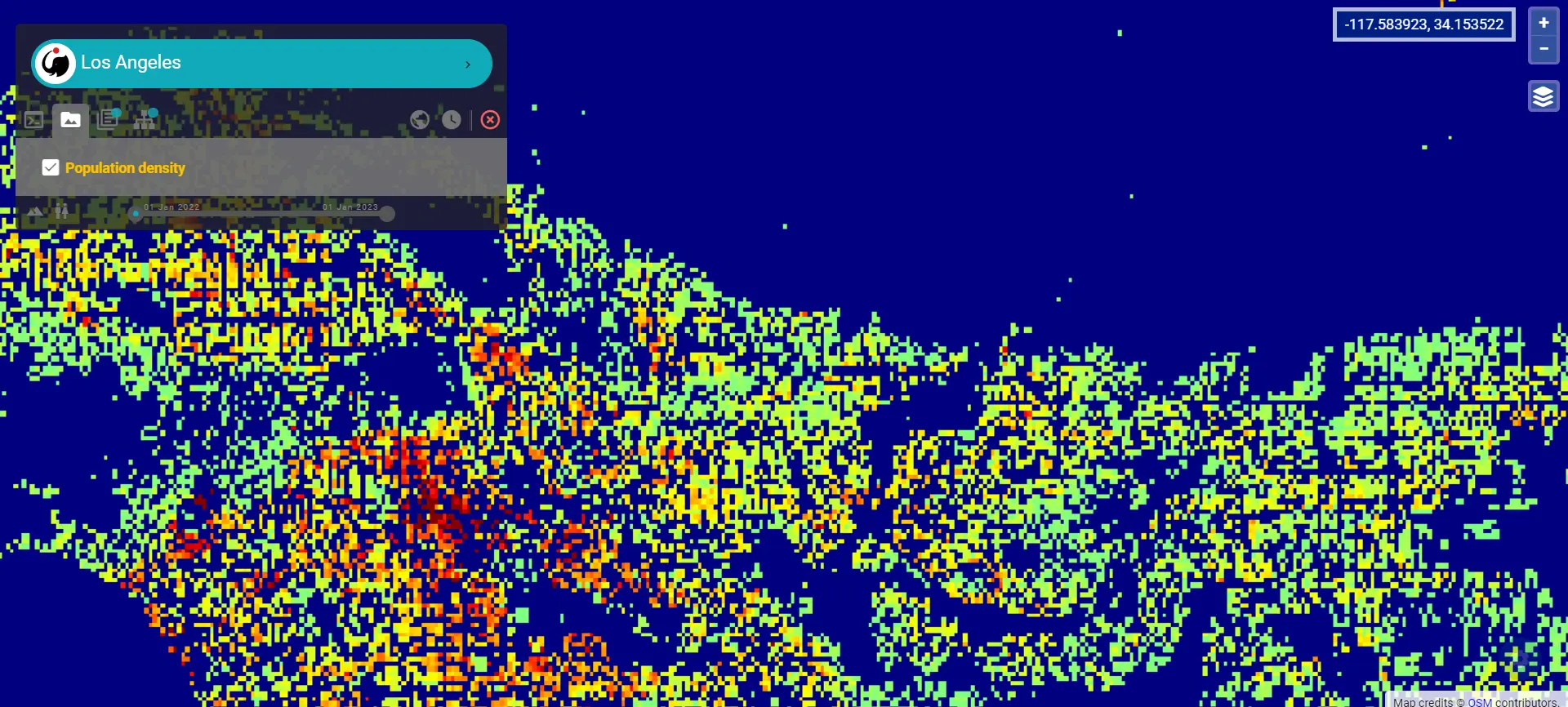
A new approach for a resilient future
our vision
As our world becomes increasingly interconnected, the challenges we face—such as climate change, food and water security, and disaster response—demand sophisticated scientific solutions. These solutions must integrate diverse data sources, from satellites and sensor networks to social media, and deliver high predictive power in near real-time.
Unstructured big-data approaches, successful in fields like internet search and healthcare, fall short of rigorous, predictive scientific simulations. This results in low reusability of scientific knowledge and slow progress in solving urgent societal issues.
We envision an ecosystem of connected and collective knowledge that acts as a commons – enabled by accessible and open-source AI-facilitated technology, driven by shared semantics, and implemented as a peer-to-peer, open solution. Such a system places users and their interests firmly in the centre.
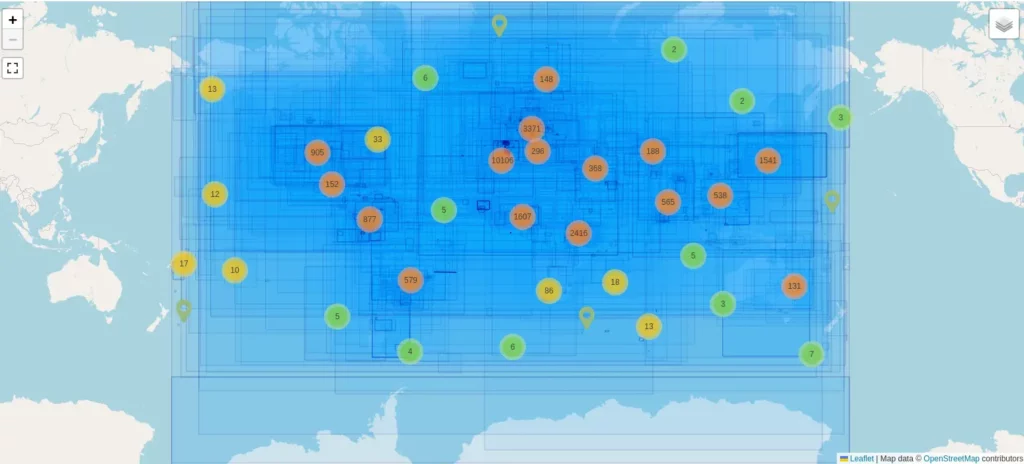
Revolutionizing integrated modelling for complex systems
Our mission
At k.LAB, we believe that a “one model fits all” approach is insufficient for understanding and addressing the complexities of linked human-natural systems. We work towards advancing integrated modelling by combining multiple techniques into a single, powerful platform. These techniques include:
Spatial data and GIS for visualizing maps.
01/05Deterministic models based on equations and lookup tables.
02/05Bayesian probabilistic models for expert-based, data-scarce conditions.
03/05Process-based models for dynamic ecological processes.
04/05Agent-based models for dynamic, interdependent ecological and social agent.
05/05By enabling integrated modelling through semantic annotation and AI, k.LAB ensures data and models are interoperable and accessible, allowing for dynamic selection of the best resources based on user-defined contexts. Users receive precise, traceable results, fostering transparency and informed decision-making.
Our open-source software and semantic modelling language (k.IM) support a wide range of users, from non-technical individuals to advanced developers, facilitating collaboration and innovation in scientific simulation.
The k.LAB journey
Our history
2007
k.LAB is a cutting-edge integrated modelling technology in development since 2007.
2008
The first ARIES prototype was released into the public domain in 2008, providing an open-source, web-based technology offered to users worldwide to assist rapid ecosystem service assessment and valuation.
Now
The second-stage ARIES prototype is due for release alongside the K.LAB prototype within the next year. This interface does not have a public prototype yet; it will implement the two-step workflow using a familiar web search interface, only requiring a drag-and-drop action of a selected concept to generate model outputs automatically.
A digital knowledge symphony
Ferdinando Villa
Ikerbasque Professor and ARIES Lead Investigator, BC3Ferdinando is an Ikerbasque Research Professor at the Basque Centre for Climate Change (BC3). He holds a PhD in theoretical Ecology and had a long parallel career as a scientific software designer and engineer. After working in many fields of Ecology, from theoretical island biogeography to spatially explicit decision analysis, he discovered the joys and pains of interdisciplinary research during a long career in ecological economics at the universities of Maryland and Vermont.
He has since expanded the focus of his research to the interface of policy, ecology and economics, concentrating on artificial intelligence approaches to assist environmental decision-making and natural system assessment and valuation.
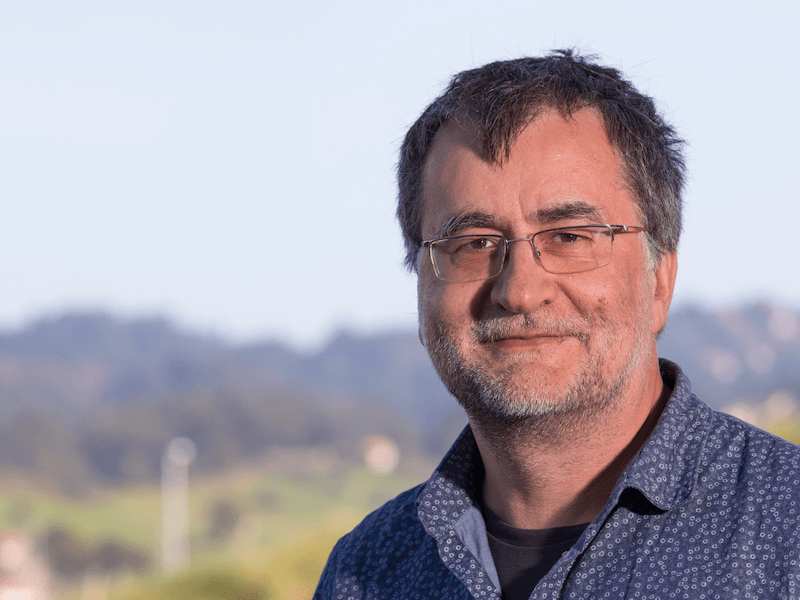
Tune in to the Infinite Leaders series on the Boundless Podcast to hear ARIES lead investigator and k.LAB founder Ferdinando Villa share his vision for incorporating nature into policy-making through AI.